
Welcome to CineVibe!
CineVibe
171 films from Spain, Mexico, Argentina, Brazil and Portugal, 1958 to 2026.
Film · 2016 · ★ 6.7
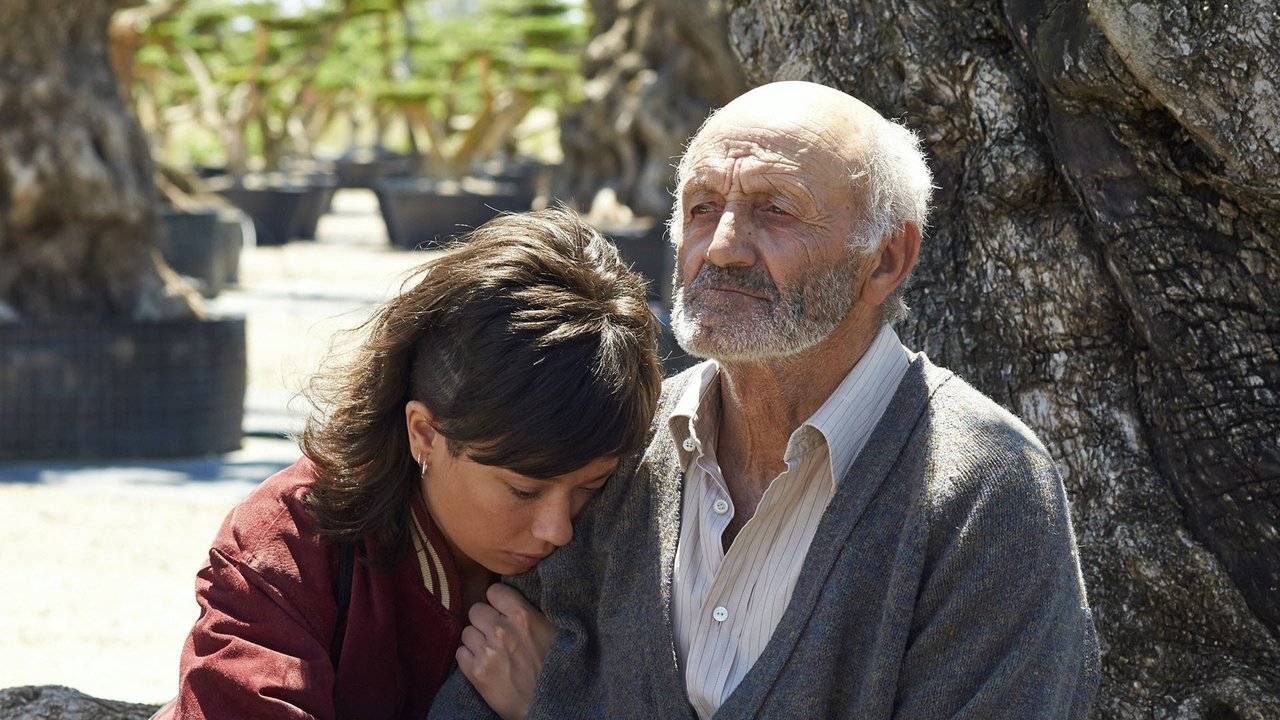
The Olive Tree
Alma’s family has been producing quality olive oil in the Baix Maestrat area of Spain’s Castellón for generations. Yet changing pressures in the industry have made their traditional practices economically untenable, and…
Trending
 ★ 6.6
★ 6.6 ★ 7.2
★ 7.2 ★ 7.7
★ 7.7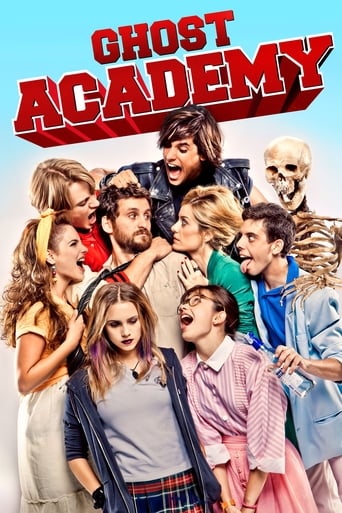 ★ 6.6
★ 6.6 ★ 6.7
★ 6.7 ★ 7.5
★ 7.5 ★ 6.4
★ 6.4 ★ 6.2
★ 6.2 ★ 6.7
★ 6.7 ★ 6.3
★ 6.3 ★ 6.4
★ 6.4 ★ 7.4
★ 7.4Recent films
See all ★ 7.5
★ 7.5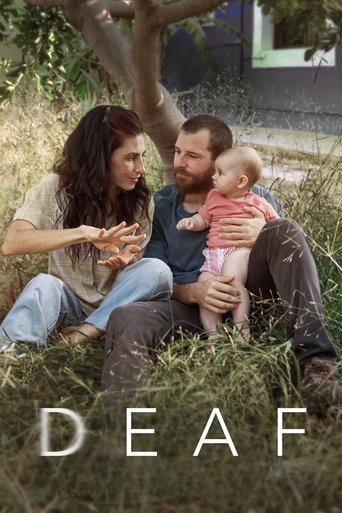 ★ 7.2
★ 7.2 ★ 6.7
★ 6.7 ★ 7.1
★ 7.1 ★ 7.7
★ 7.7 ★ 7.3
★ 7.3Popular from Spain
See all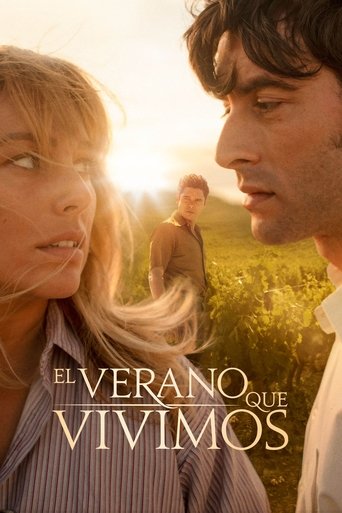 ★ 7.2
★ 7.2 ★ 6.7
★ 6.7 ★ 6.8
★ 6.8 ★ 7.7
★ 7.7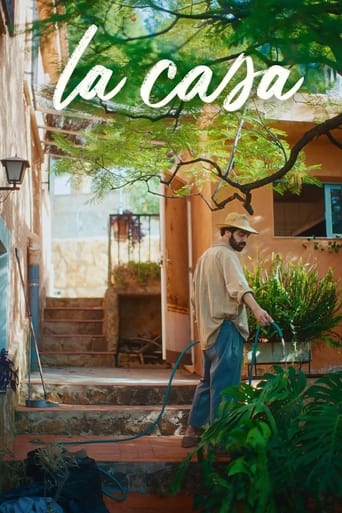 ★ 6.8
★ 6.8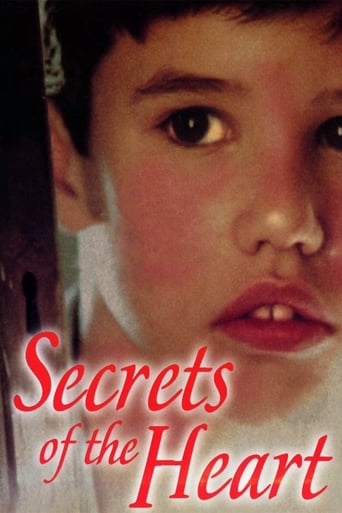 ★ 6.5
★ 6.5Popular Mexican films
See all ★ 6.8
★ 6.8 ★ 6.9
★ 6.9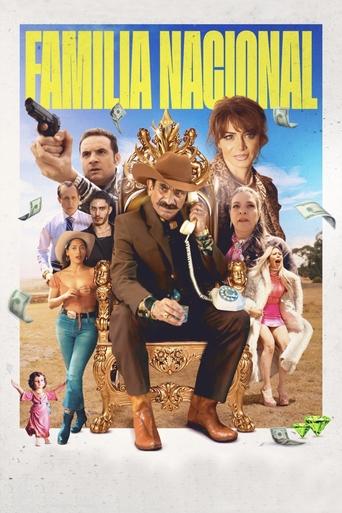 ★ 6.7
★ 6.7 ★ 8.0
★ 8.0 ★ 7.6
★ 7.6 ★ 7.3
★ 7.3South America and the Caribbean
See all ★ 6.9
★ 6.9 ★ 7.5
★ 7.5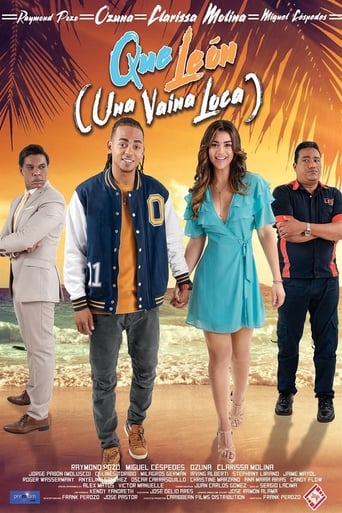 ★ 7.7
★ 7.7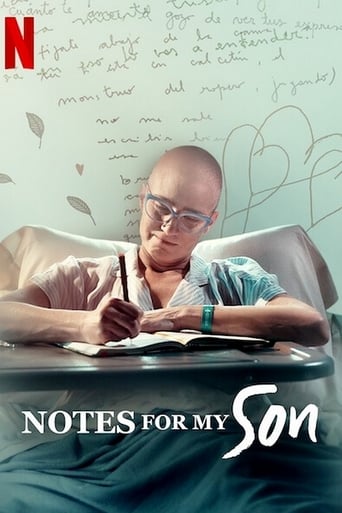 ★ 7.4
★ 7.4 ★ 7.8
★ 7.8 ★ 7.8
★ 7.8Popular Brazilian films
See all ★ 6.6
★ 6.6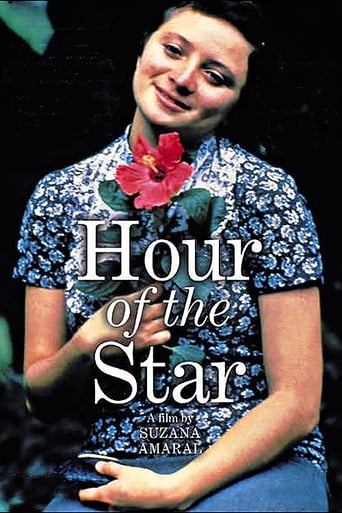 ★ 7.3
★ 7.3 ★ 7.8
★ 7.8 ★ 6.8
★ 6.8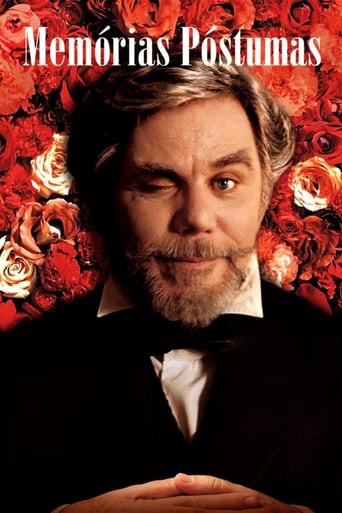 ★ 6.2
★ 6.2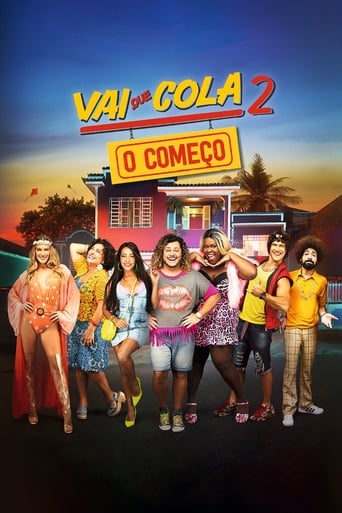 ★ 6.8
★ 6.8From Portugal
See all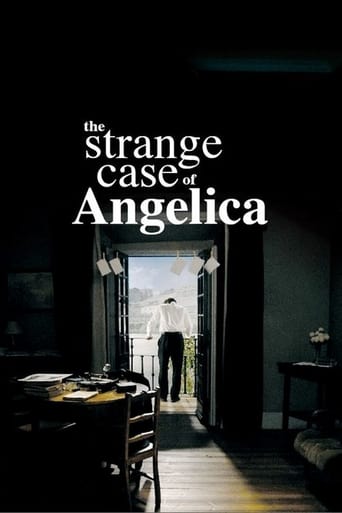 ★ 6.5
★ 6.5 ★ 6.5
★ 6.5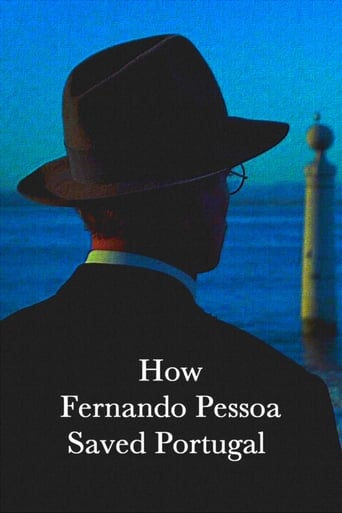 ★ 6.3
★ 6.3 ★ 6.7
★ 6.7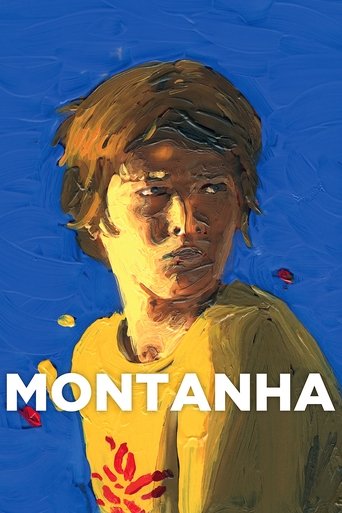 ★ 6.4
★ 6.4 ★ 6.7
★ 6.7All lists
In Spanish 94In Portuguese 77Spain 20Mexico 37South America and the Caribbean 37Brazil 65Portugal 12Comedy 112Romance 52Family 73Music and dance 29True stories 12Growing up 53Later life 20Working lives 47Holidays and journeys 24Fantasy 15Short films 6Before 1990 221990 to 2009 26The 2010s 642020 onwards 59Top rated 79
The CineVibe guide to films in Spanish and Portuguese
CineVibe: films in Spanish and Portuguese, from Spanish Affair, The Olive Tree and Bombón El Perro to Lion's Heart, Hour of the Star and Carrossel
Two languages born side by side on the Iberian peninsula are today spoken by some eight hundred million people, from Madrid and Lisbon to Mexico City, Buenos Aires, Bogotá and São Paulo. The cinema made in them is as wide as that map. It includes the village comedies of Spain, the ranch musicals of Mexico, the gentle road films of Patagonia, the salsa floors of Cali, the family farces of Rio de Janeiro and the quiet poetry of northern Portugal. Much of it travels poorly for the simple reason that few people abroad are told it exists. CineVibe is a guide to 171 of these films, 94 in Spanish and 77 in Portuguese, made between 1958 and 2026. Each has its own page, its story, its director and cast, and a Watch now button that leads to the official services carrying it in your country.
The catalogue has been chosen for the whole household. Every summary was read by hand, and the selection keeps to comedy, family stories, romance, music, school life and gentle fantasy. Crime films, horror, films of the battlefield, erotic comedies and adult dramas were left out. What remains includes a young Andalusian who pretends to be Basque for love, a granddaughter who drives a lorry to Germany to bring home a tree, an unemployed mechanic whose luck changes with a dog, an architect of small stature and great charm, a typist from the backlands who listens to the radio in a Rio boarding house, and a class of schoolchildren defending their summer camp.
This introduction travels country by country. It begins in Spain, crosses to Mexico, moves south through Colombia and Peru to Argentina and Chile, visits the Caribbean, and then turns to the Portuguese-speaking world with Brazil and Portugal. Sections on comedy, romance, family, music, true stories and films for children follow, with three films proposed for a first evening on the way. The closing parts explain the two languages, search, the lists and My List. Every film title is a link, and the text is in English for viewers anywhere.
What CineVibe offers
CineVibe is a viewing guide. It keeps neither films nor downloads on its pages; it tells you what each film is about, who made it and who appears in it, and then hands you to the legal services that hold it. The how to watch page sets out the three steps: find a film, read its page, choose your country and press Watch now. The button opens JustWatch, an independent directory of streaming, rental and purchase services, on the entry for that film, so the answer is always current for the place where you live.
The 171 films come from thirteen countries. Brazil supplies sixty-five, Mexico thirty-seven, Spain twenty, Argentina eighteen and Portugal twelve, and the rest are shared among Colombia, Peru, Chile, Uruguay, Ecuador, Venezuela, the Dominican Republic and Puerto Rico. There are 112 comedies. Twenty-two films were made before 1990, twenty-six between 1990 and 2009, sixty-four in the 2010s and fifty-nine since 2020. Six are short films of under three quarters of an hour. Twenty-three lists arrange the catalogue by language, country, kind, theme and decade, and the top rated list gathers the seventy-nine titles that viewers have scored at seven out of ten or higher.
The home page is built for browsing. A wide search field sits under the floating bar at the top, a featured film fills a rounded frame, and a Trending block shows the six most popular films in Spanish above the six most popular in Portuguese. Rows follow for recent films, Spain, Mexico, South America and the Caribbean, Brazil and Portugal, each with a See all link, and a panel of rounded chips opens every list with its number of films. Each poster carries its rating in a corner, and a line beneath gives the year and the language.
A first evening
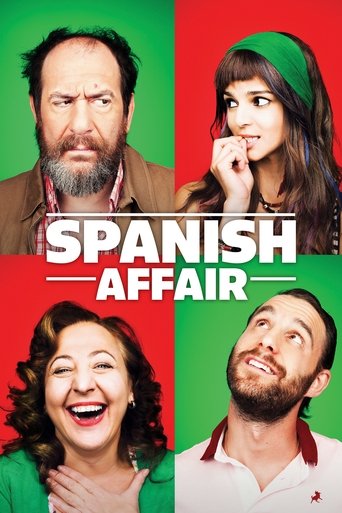
Three films make good introductions. Spanish Affair, released in 2014 under the title Ocho apellidos vascos, is the most successful Spanish film ever shown in its own country, seen by close to ten million people. Rafa, played by the comedian Dani Rovira, is a young man from Seville who has rarely left Andalusia and sees little reason to. Then he meets Amaia, a Basque girl on a hen weekend who is unimpressed by his jokes, and he follows her north with her forgotten handbag. Her fisherman father is expected home, Amaia needs a presentable Basque fiancé at short notice, and Rafa finds himself inventing eight Basque surnames, a past in the local sports clubs and an accent. Clara Lago plays Amaia and Karra Elejalde the father. The film teases every regional stereotype in Spain with great good humour and ends as a warm romantic comedy.
Bombón El Perro, made in Argentina in 2004 by Carlos Sorin, is a film of rare gentleness. Juan Villegas, known to all as Coco, is fifty-two and has lost his job at a petrol station in Patagonia. He sells hand-carved knife handles from his old car with little success. One day he helps a woman whose car has broken down on the empty road, and her mother thanks him with an unusual gift: a large white pedigree dog. Coco has little use for a dog, yet people begin to treat him differently. A bank manager admires the animal, a trainer proposes the show ring, and a first rosette arrives. The part is played by a man who had parked cars for twenty years at the director's own office, and his shy, hopeful face carries the film. Children and grandparents enjoy it equally.
Carrossel: O Filme is the choice for younger viewers. It grew out of a Brazilian television series about a primary school class that was watched by millions of children. Here the pupils of the Escola Mundial go to a holiday camp run by a kindly grandfather, and discover that two bumbling agents of a developer mean to buy the land and build a factory on it. The children split into teams for the camp games and unite to defend the place. It is bright, musical and good-hearted, and it is a pleasant way to hear Brazilian Portuguese spoken clearly.
Spain
Twenty films were made in Spain, and the Spain guide arranges them. After Spanish Affair, the best loved is The Olive Tree, directed by Icíar Bollaín in 2016 from a script by Paul Laverty. Alma is twenty and works on her family's chicken farm in the province of Castellón. Her grandfather stopped speaking years ago, on the day the family sold his olive tree, a giant two thousand years old, to pay for a restaurant that later failed. Alma decides that the only way to bring him back is to bring back the tree. She learns that it now stands in the lobby of an energy company in Düsseldorf, tells her uncle and a friend a hopeful story about a church that is ready to return it, and the three set off across Europe in a borrowed lorry. Anna Castillo won the Goya award for best new actress, and Javier Gutiérrez is very funny as the uncle with debts of his own. The film is about what a family owes to its land and its elders, and it finds a wise ending.
Several Spanish films deal with illness in a hopeful spirit. Maktub, a Christmas story by Paco Arango, follows Manolo, a tired insurance man in Madrid, who meets Antonio, a teenager from the Canary Islands with a serious illness and a talent for rap and for putting other people's lives in order. In The Bus of Life, Dani Rovira plays a music teacher from Madrid who takes a post in a Basque village and learns on arrival that he needs hospital treatment; each week he rides to Bilbao on a battered bus with a group of fellow patients who become his friends and, in time, his band. In Wishlist two women who meet in a clinic waiting room hire a motorhome with a third friend and drive south to do everything on a list. All three are comedies at heart, and all three are suitable for teenagers and adults.
The House, from 2024, is adapted from a graphic novel by Paco Roca. Three grown children and their families spend a few days at the holiday house their late father built with his own hands, meaning to tidy it for sale, and every fig tree and unfinished pergola returns a memory. The Invisible, by Gracia Querejeta, follows three friends in their fifties on their weekly walk in the park, talking about work, husbands and how it feels to be overlooked. Deaf, which won the audience award in its section at Berlin in 2025, concerns Ángela, a potter who is deaf, her hearing partner Héctor, and the daughter they are expecting; the lead is played by Miriam Garlo, sister of the director, and the film lets hearing audiences share her experience of sound. Motherhood, by Pilar Palomero, is set in a residence for very young mothers and treats a difficult subject with tenderness; it is a film for adults and older teenagers. Chinas follows two nine-year-old girls of Chinese families in a Madrid neighbourhood, one born there and one adopted, through a school year.
Spanish literature is present in three screen versions. El Quijote de Miguel de Cervantes, made for television in 1992, tells the first part of the novel in five hours with Fernando Rey as the knight and Alfredo Landa as Sancho Panza, from a script by the Nobel laureate Camilo José Cela; it is widely held to be the finest version filmed. The Dog in the Manger, directed by Pilar Miró in 1996, is a comedy in verse by Lope de Vega about a countess who is unable to decide whether she loves her secretary and will allow nobody else to have him; Emma Suárez and Carmelo Gómez speak the lines as though they were everyday talk, and the film won seven Goya awards. Marianela, from the novel by Benito Pérez Galdós, stars the singer Rocío Dúrcal as a poor girl who guides a blind young man through the mining country of the north and fears the day an operation may let him see her. Dúrcal appears in a lighter mood in Acompáñame, a musical comedy of 1966 that sends her to the Canary Islands as companion to an elderly lady with a pair of unlucky spectacles.
The remaining Spanish titles show the range of the industry. Ghost Graduation is a school comedy with a twist: Modesto, a teacher who has always been able to see people nobody else can, is hired by a college whose library is haunted by five pupils from the class of 1986, and he realises they will move on only when they finally pass their exams. Secrets of the Heart, nominated for the Oscar for foreign language film, sees the Navarre of the sixties through the eyes of nine-year-old Javi, who is curious about a locked room. El verano que vivimos is a sweeping romance set among the vineyards of Jerez in 1958 and uncovered forty years later by a trainee journalist reading old newspaper notices. The Final Game retells the Spanish water polo team's hard road to the Olympic final in Barcelona in 1992 under a ferocious new coach. The Antares Paradox takes place in a single room, where a radio astronomer who may have received a signal from the stars has two hours to confirm it while her family calls from a hospital. Idols, from 2026, is a motorcycle racing drama about a young rider trained by his father.
Mexico
Thirty-seven films are Mexican, and the Mexico guide begins with the classics. The Important Man, made in 1961 by Ismael Rodríguez, was nominated for an Oscar and has an unexpected star: the great Japanese actor Toshiro Mifune, who learned his lines by ear to play Ánimas Trujano, a boastful villager in Oaxaca who dreams of being chosen steward of the annual festival, an honour reserved for respected men. His patient wife does the work while he does the dreaming. The film is a parable about pride, photographed by Gabriel Figueroa. Rodríguez followed it with The Paper Man, in which a rag-picker who can neither hear nor speak finds a banknote of enormous value in a Mexico City rubbish tip and discovers how many new friends such a note attracts; Ignacio López Tarso gives a touching performance.
The ranch musical, with its singing horsemen in silver-buttoned suits, is represented by Escuela para solteras, which gathers Luis Aguilar, Antonio Aguilar and other stars for a comedy of four cowboys and four sisters, and by The Two Rivals, in which Antonio Aguilar grows jealous of a rival who is his own sweetheart in disguise. El Embustero has the singer Vicente Fernández as a charming trickster who hides in a village by posing as its new schoolmaster and grows fond of the job. Charrito is a comedy by Roberto Gómez Bolaños, the creator of El Chavo, as a nervous actor playing the villain of a western being shot in a small town. How Did I Come to Fall in Love With You? tells the story of the group Los Bukis with the musicians as themselves.
Mexican comedy today
Modern Mexican cinema is strongest in comedy, and the catalogue holds the best of it. The Mirreyes vs Godínez films are a phenomenon. In Mexican slang a mirrey is a pampered heir and a Godínez is an office worker who brings his lunch in a plastic box. When the founder of a shoe company dies, his will obliges his pampered heirs to compete with the firm's loyal staff for control of the business, and the two tribes must learn to share a lift. Mirreyes contra Godínez 2: El retiro sends everyone on a team-building retreat, and Mirreyes vs Godínez: Las Vegas follows them to a trade fair. In The Honest Candidate a politician on the eve of an election is placed under his grandmother's spell and finds that only the truth will come out of his mouth, at rallies, in interviews and at home. National Family is a satire about a political dynasty voted out after a century, and Everything's Gone Wrong!, by Issa López, follows a young diplomat on the worst day of his career, the day a famous feathered headdress is due home from a museum in Vienna.
Family comedies form a second group. Grumpy Christmas brings back Don Servando, the cantankerous grandfather played by Héctor Bonilla, who is taken to the beach for the holidays and meets his match in his daughter-in-law's aunt. Grandma's Last Wishes gathers three generations at a country house where the grandmother announces she is putting her affairs in order, and everybody discovers an opinion about the house. You Are My Problem is a road film in which a busy psychologist, played by Bárbara Mori, drives across the country after her teenage son. Ok, It's Fine, filmed in black and white, is a dry comedy about a would-be screenwriter of thirty whose settled life at his mother's flat is disturbed by the arrival of a teenage cousin. War of Likes sets an advertising executive to win back a school friend who has become a star of social media, and Crazy for Change makes two old classmates wake up in each other's lives.
Three Mexican films stand apart for their feeling. The Amazing Catfish, the first film of Claudia Sainte-Luce, is set in Guadalajara. Claudia, a solitary young woman, shares a hospital ward for a night with Martha, a mother of four who talks to everyone, and is swept home with the family for breakfast; she stays for months. Martha is seriously ill, and the film watches her noisy, loving household prepare. It is funny and deeply humane, and it suits teenagers and adults. El estudiante takes place in the university town of Guanajuato, where Chano, who is seventy, enrols to study literature and wins over classmates fifty years younger with his courtesy and his love of Don Quixote. The Great Seduction is the Mexican version of a much-filmed Canadian story: a fishing island will get a packing plant only if it has a resident doctor, so the whole village conspires to charm a young physician from the city into staying, learning his favourite sport overnight and hiding small sums of money for him to find.
Romance is well supplied. Pulling Strings stars Jaime Camil as a mariachi singer in Mexico City whose visa request is refused by a consular officer in the morning; that night he finds the same officer asleep at a bus stop after her leaving party, having lost a laptop he may be able to help her recover. It is spoken in Spanish and English. Camil returns in My Boyfriend's Meds as a mattress tycoon who forgets his prescriptions on a holiday with his new girlfriend's bosses. Tell Me When follows Will, a shy young man from Los Angeles, to Mexico City with a list his grandfather left him of things to see and do. Weeding Night books two former sweethearts into the same hacienda for their weddings to other people, Miles and Lies begins with a bet among friends, Instructions for Su gives a grieving young woman a set of tasks left by her fiancé, and American Curious sends a chef from Mexico City to cook in California. Round Trip puts two very different young women in one car heading north, and The Insomnia Club unites three sleepless strangers in the aisles of an all-night shop.
Colombia, Peru and the Caribbean
The South America and Caribbean guide covers thirty-seven films. Colombia's finest entry is The Wind Journeys, directed by Ciro Guerra in 2009. Ignacio Carrillo has spent his life travelling the villages of the north playing vallenato songs on an accordion said to have been won from the devil. After the death of his wife he resolves to lay his music aside and to carry the instrument back to the old master who gave it to him, on the far side of the country. A boy named Fermín, who longs to be a musician, follows him uninvited. The film crosses swamps, plains, mountains and desert, pausing for a duel of accordions in a village square and a drumming ceremony in the hills, and it was shown at Cannes. It is slow, beautiful and suitable for all who enjoy music and landscape.
Ciudad delirio is lighter: a shy Spanish doctor at a medical congress in Cali, the world capital of salsa, meets a dancer who runs a school and dreams of joining the city's great show, and he stays to learn the steps. The Trip 6 belongs to Colombia's most popular comedy series, in which a family holiday always goes astray; here a nervous father and his glamorous mother-in-law gatecrash a school trip. Dead Serious is a ghost comedy about a social media star with unfinished business. Between Us, directed by and starring Paola Mendoza and based on her own mother's story, follows a Colombian woman left alone with two children in New York who collects cans to keep them fed and housed; it is a hard story told with love and ends in hope.
Peru contributes the comedian Carlos Alcántara, whose stage show about growing up in a Lima housing estate became the country's biggest film success. ¡Asu Mare! 2 continues his courtship of a girl from a wealthier district, and ¡Asu Mare! The Friends gives his four neighbourhood friends an inheritance and a restaurant to open. Back to School reunites a class twenty-five years on, and Intercambiadas swaps a housekeeper and her employer. From Ecuador comes Alba, a delicate film about a silent girl of eleven who goes to live with a father she hardly knows while her mother is in hospital, and from Venezuela Papita 2da Base, a comedy about a married couple who support rival baseball clubs.
The Dominican Republic has become a lively producer of popular comedy. Lotoman and Lotoman 2.0 follow two brothers, one cautious and one extravagant, whose lives change with a winning lottery ticket. Qué León is a love story between two young people who share the surname León and little else, since her father owns a company and his owns a food stall; Los Leones carries both families to New York. Feo de día, lindo de noche gives a plain man a spell that makes him handsome each evening from eight until midnight, Colao 2 revisits a couple six years on, and What I Feel For You weaves together three true-to-life stories of families raising children with disabilities, among them a Special Olympics athlete.
Argentina, Chile and Uruguay
Argentine cinema is known for sharp writing and fine actors, and eighteen films here bear that out. The oldest is Grandma, made in 1979 from a celebrated stage play. A hard-up family in Buenos Aires shares its flat with a grandmother who is a hundred years old and has a magnificent appetite. She eats everything in the larder, then everything the family can buy, and one scheme after another to cover the cost goes comically wrong while she asks politely for a little more bread. The grandmother is played by a man, Pepe Soriano, in a famous performance, and the play is read as a fable about a country living beyond its means. Tangos, the Exile of Gardel, by Fernando Solanas, won the special jury prize at Venice in 1985. A group of Argentine performers living in Paris rehearse a show that mixes tango, ballet and theatre and can find neither an ending nor a backer; the music is by Astor Piazzolla, and the dancing on the bridges and quays of the Seine is exhilarating.
Autumn Sun, from 1996, is one of the best romances for grown-ups in the language. Clara, an accountant played by Norma Aleandro, has told her brother in America that she has a serious suitor of her own faith, and now the brother is coming to visit. She places a notice in the newspaper and meets Raúl, a picture framer played by Federico Luppi, who is gentle, funny and of another background entirely. She proposes to coach him in the customs he will need for one family dinner. The lessons take place in cafés, on park benches and in his workshop, and the two actors, both among the finest Argentina has produced, make every scene a pleasure.
Marcos Carnevale directed three films in the catalogue. Anita follows a young woman with Down syndrome who lives contentedly with her mother above their stationery shop in Buenos Aires until a morning in 1994 when she finds herself alone in the city; over several days she is taken in by a photographer, a shopkeeping family and a nurse, and changes each of them. Lion's Heart is a romantic comedy with Guillermo Francella as León, a celebrated architect, witty, rich and one metre thirty-five tall. He finds a lawyer's lost telephone, charms her in a single call, and asks her to lunch; the film is about her courage as much as his. The Giant Falls, from 2026, reunites a tour guide at the Iguazú waterfalls with the father who left when he was a boy, played by Oscar Martínez.
The actress and singer Natalia Oreiro stars in three comedies. In Music on Hold she is a mother-to-be who needs someone to play the part of her partner for a few days while her own mother visits from Spain, and he is a film composer who has heard the perfect melody as the hold music on her bank's telephone line and needs to hear it again. In Expiration Date she is a chef who believes she has one month left and decides to find her husband a new wife, and in Camp Crasher she is a mother who takes the wheel of the school bus to save her son's end-of-year trip. Daniel Burman's Brother and Sister gives two great comic performers, Antonio Gasalla and Graciela Borges, the roles of a mild goldsmith and his domineering sister, who moves them both to a riverside town in Uruguay.
Other Argentine films are quieter. Notes for My Son, by Carlos Sorin, is based on the true story of a mother who filled a notebook with advice, jokes and memories for her small boy; it is a film about saying goodbye, made with humour, and is best watched by adults. Good Life Delivery is a wry comedy about a young man whose lodger moves her whole family and their pastry business into his house. El gerente recalls a real advertising gamble before a World Cup, when a television maker promised refunds if the national team failed to qualify. Liverpool, by Lisandro Alonso, follows a sailor ashore in snowbound Tierra del Fuego with very few words, and Risa and the Wind Phone is a fantasy about a girl who finds a way to go on talking with her late father. From Uruguay comes Alelí, a comedy about three siblings and a beach house; from Chile come Dog Life, in which a lawyer borrows a dog and its owner to impress her daughter, and Sweet Family, about a bride, her mother's wedding dress and a family of pastry cooks.
Brazil: classics and dramas
Sixty-five films are Brazilian, and the Brazil guide sorts them. The essential one is Hour of the Star, directed by Suzana Amaral in 1985 from the last novel of Clarice Lispector. Macabéa is nineteen, an orphan from the dry north-east who has come to the great city and found work as a typist, though she types slowly and with two fingers. She shares a room with three other girls, eats little, and listens at night to a radio station that tells the time and offers small facts, which she collects. She meets Olímpico, a metalworker with large ambitions, and walks with him in the rain. Marcélia Cartaxo, who had rarely acted before a camera, won the Silver Bear for best actress at Berlin. The film is sad and luminous, and it treats an overlooked life with complete attention. Cartaxo returns thirty-four years later in Pacarrete, as an elderly ballet teacher in a small town of Ceará who is determined to dance at the town's anniversary celebrations whatever the organisers may think; it won eight prizes at the Gramado festival.
Brazilian literature gives several more films. Posthumous Memories adapts the great comic novel by Machado de Assis in which a wealthy idler of the nineteenth century narrates his own life from beyond it, with cheerful candour about his vanity. My Sweet Orange Tree, from the much-loved children's novel, tells of Zezé, a small boy in a poor family who confides in a tree in the yard and finds a friend in an old Portuguese gentleman with a fine car. Mutum, by Sandra Kogut, is drawn from a story by João Guimarães Rosa: Thiago, a ten-year-old on a remote cattle farm in Minas Gerais, tries to understand the grown-ups around him, and the film was made with local children. Feliz Ano Velho is based on the memoir of a student who rebuilt his life after a diving accident, and The Well Beloved One brings to the cinema a famous stage and television character, the mayor of a seaside town who has built a cemetery and is impatient for someone to inaugurate it.
Brazilian comedy
Brazil laughs at the cinema more than almost any country, and its comedies fill stadium-sized multiplexes. The tradition begins here with Amácio Mazzaropi, who for thirty years played Jeca, the slow-talking countryman with a crooked hat. In Chofer de Praça, from 1958, he comes to São Paulo to help his son through medical school and takes a job driving a taxi he can barely steer; in The Corinthian he is a barber whose devotion to his football club tries the patience of his family and his customers. A Velha a Fiar, a six-minute film of 1964 by the pioneer Humberto Mauro, sets a folk song about an old woman, a fly, a spider and a cat to pictures, and is a small jewel for children.
The modern successes come largely from television comedians. Fábio Porchat and Miá Mello are the honeymooners of Meu Passado Me Condena: O Filme, whose cruise to Europe is complicated by the presence on board of both their former sweethearts; in Meu Passado Me Condena 2: O Filme they travel to Portugal for a family occasion. The much-missed Paulo Gustavo leads Vai Que Cola: O Filme, in which a man who has lost his fortune and the residents of a boarding house in a Rio suburb find themselves in a penthouse by the beach, and Vai que Cola 2: O Começo tells how the lodgers first met. Ingrid Guimarães, the queen of the form, appears as one of three brides promised to the same groom in Loucas pra Casar, in the holiday fantasy World's First Christmas, and as a fashion influencer tracking her son through the Amazon in Harsh Couture. Giovanna Antonelli sails in S.O.S.: Women to the Sea and S.O.S.: Women to the Sea 2, two cruise comedies about a woman who follows her former husband aboard and finds a better life on deck.
The north-east has a comic voice of its own. O Shaolin do Sertão is set in the backlands of Ceará in the eighties, where Aluízio, a baker's assistant who has learned kung fu from videotapes, is the only man in town willing to face a travelling wrestler. Malasartes e o Duelo com a Morte revives a trickster of folk tales who is chosen by Death as a replacement, and Ai que Vida!, made on a tiny budget in Maranhão and Piauí, became a regional legend. The Telescope of Time is a musical fable of the backlands written and directed by the singer Alceu Valença.
Comedies of marriage and middle age are plentiful. In Divórcio a couple who built a tomato sauce empire together fight over every asset, De Onde Eu Te Vejo is a tender film in which a husband moves out after twenty years to the flat directly opposite and the two go on watching over each other from their windows, and Dona Lurdes: O Filme gives the beloved actress Regina Casé a housewife whose last child has left home and who sets out to discover what she likes. Copacabana looks back over ninety years in the life of a photographer, played by Marco Nanini, on the eve of his birthday. Duas de Mim hands an overworked cook an identical twin for a day, O Amor Dá Trabalho sends a selfish man back from the waiting room of heaven to bring a couple together, A Vilã das Nove has a woman recognise her own life in the villain of a soap opera, and Mulheres Alteradas follows four friends through one hectic week. Proof of Love, Any Stray Cat 2 and Tá Escrito are romantic comedies for a younger audience.
Brazil: music, history and short films
Music runs through Brazilian film. João, o Maestro is the true story of João Carlos Martins, a sickly boy from São Paulo who became one of the great interpreters of Bach, lost the use of his hands more than once, and returned each time, finally as a conductor. Trinta portrays Joãozinho Trinta, who trained as a ballet dancer and reinvented the carnival parade for the samba schools of Rio with floats of astonishing invention; Matheus Nachtergaele plays him preparing his first parade in 1974. Turn It Up, It's Rock 'n' Roll recalls the young presenters who in 1982 turned a failing radio station near Rio into the home of Brazilian rock. Bete Balanço, a hit of 1984 with a famous title song, follows a girl from Minas Gerais who comes to Rio to sing, and Tabu imagines a meeting in the thirties between a carnival songwriter, played by Caetano Veloso, and a modernist poet. Bar Esperanza is a comedy about the artists, actors and night owls who gather at a bar in Ipanema that is threatened with closure.
History is told in Independence or Death!, a handsome pageant of 1972 about Dom Pedro, the Portuguese prince who became the first emperor of Brazil, and in Dr. Gama, on Luiz Gama, who was sold into slavery as a child, taught himself law, and won freedom for more than five hundred people in the courts of São Paulo. Real: The Plan Behind History dramatises the economists who designed a new currency in 1993, and Buccaneer Soul follows a friendship between two poets across fifty years. Boleiros: Era uma Vez o Futebol... gathers retired footballers at a bar table to tell stories of the game. Among the dramas of today, Linha de Passe, by Walter Salles and Daniela Thomas, follows a cleaner in São Paulo and her four sons, one of whom hopes for a football trial; Sandra Corveloni won the best actress prize at Cannes. Campo Grande places two small children at the door of a well-off woman in Ipanema, A Window to Rosália takes a factory worker on an unplanned journey to Buenos Aires, Craft follows a struggling actress in Rio, The Last Drive-In Theater is a family story set at an open-air cinema in Brasília, and Bittersweet Rain is a gentle film about a boy in a country town of Bahia who is losing his sight.
Three of the six short films are Brazilian. Eletrodoméstica and Cold Tropics are early works by Kleber Mendonça Filho, the first a comedy of household machines in a Recife home of the nineties, the second a mock news report on a tropical city where the temperature has mysteriously dropped. Sideral, shown in competition at Cannes, takes place near a launch site in the north-east on the day of the country's first crewed rocket. A Matter of Courage, The Joy of Things and Shooting My Life's Script round out the Brazilian shelf, the last from a best-selling series of novels for teenagers.
Portugal
Twelve films come from Portugal, and the Portugal guide introduces them. Two are landmarks. Trás-os-Montes, made in 1976 by António Reis and Margarida Cordeiro, is a portrait of the remote north-eastern province whose name means behind the mountains. Children play in the snow, a mother tells a legend, shepherds cross a plateau, and past and present mingle freely. It has little plot and great beauty, and film-makers the world over have named it an inspiration. Ana, by the same pair, centres on a grandmother in the same region and the rhythm of the seasons around her. Both are for patient viewers and reward the patience.
The Strange Case of Angelica was made by Manoel de Oliveira when he was a hundred and one years old. A young photographer in a town on the Douro is called at night to take a last portrait of a bride, and through his lens she seems to smile at him. It is a ghost story told with serenity and humour, and it includes lovely scenes of labourers singing in the vineyards. How Fernando Pessoa Saved Portugal is a witty half-hour by Eugène Green in which the great poet, employed in 1927 to write an advertising slogan for an imported fizzy drink, succeeds a little too well. Christmas Inventory is an early short by Miguel Gomes that observes a family Christmas in the eighties through the eyes of its children.
Recent Portuguese cinema is represented by Mountain, João Salaviza's film about David, fourteen, during a hot Lisbon summer when his grandfather is in hospital, and Goodbye, Father, in which a thirteen-year-old is taken by his busy father on a long-promised holiday to the Azores. Journey to Portugal, filmed in black and white with Maria de Medeiros, is based on a real incident: a doctor from Ukraine arriving at Faro airport to join her husband is held for questioning by officials who have drawn their own conclusions. The popular side is here too. The Beauty and the Paparazzo is a romantic comedy about a soap opera star and the photographer who follows her, Bem Bom tells the story of Doce, the girl group that scandalised and delighted the country in 1979, Snu recounts the love between the Danish-born publisher Snu Abecassis and the prime minister Francisco Sá Carneiro, and Morangos com Açúcar - O Filme brings a long-running teenage television series to a summer camp.
Comedy across the catalogue
The 112 comedies are introduced in the comedy guide. Readers who would like to compare countries can try a simple experiment: both Mexico and Brazil have filmed the story of the politician who is suddenly unable to lie, and the Mexican version is here as The Honest Candidate. The comedy of the swapped life appears in Mexico as Crazy for Change, in Peru as Intercambiadas and in Brazil as Duas de Mim. The uncle left in charge of children has a Brazilian champion in Um Tio Quase Perfeito 2, with Marcus Majella, and the internet celebrity has several films, among them Eu Fico Loko, the story of a shy boy who began recording videos in his bedroom, and the three camp adventures of the children's entertainer Luccas Neto. Malvada warns a young man's former girlfriend that his new fiancée may be a witch in the literal sense, Making It Up puts two friends in charge of a make-up counter, and Millonario sin amor sends a television boss to live under another name in a modest neighbourhood.
Romance
Fifty-two films are love stories, and the romance guide groups them by age. For grown-up romance, begin with Autumn Sun and Lion's Heart, then Music on Hold and El verano que vivimos. For the young there is I Hate Love, a Mexican film about a teenager who loses his hearing after an accident and finds, when an American girl moves to his town, that in her company the world has sound again. Tell Me When, Shooting My Life's Script and Tá Escrito, in which a girl receives a notebook that makes horoscopes come true, are all suitable for young teenagers. Wedding comedies include Weeding Night, Sweet Family and Qué León, and Expiration Date and De Onde Eu Te Vejo are for anyone who has been married a long time.
Family
Seventy-three films turn on family life, and the family guide sets them out. Grandparents are everywhere: the silent grandfather of The Olive Tree, the hungry centenarian of Grandma, the irritable Don Servando of Grumpy Christmas, the list-writing grandfather of Tell Me When and the matriarch of Grandma's Last Wishes. Parents and children meet in Camp Crasher, You Are My Problem, Deaf and Notes for My Son; brothers and sisters share a house in The House, Alelí and Brother and Sister; and in 10 Hours for Christmas three Brazilian children plot to bring their divorced parents to the same table on Christmas Eve. The holiday list also holds Maktub and World's First Christmas.
Music and dance
Twenty-nine films are carried by music, and the music guide lists them. The range is the range of two continents: the accordion ballads of the Colombian coast in The Wind Journeys, the tango of Buenos Aires in Tangos, the Exile of Gardel, the salsa of Cali in Ciudad delirio, the mariachi of Mexico City in Pulling Strings, the ranch songs of Escuela para solteras, the romantic ballads of Los Bukis, the samba parades of Trinta, the rock of Turn It Up, It's Rock 'n' Roll and Bete Balanço, the pop of Bem Bom, and the Bach of João, o Maestro. A good evening can be made by pairing one film in each language: Ciudad delirio with Trinta for dance, or The Wind Journeys with The Telescope of Time for the music of the countryside.
True stories
Twelve films are drawn directly from real lives, and the true stories guide names them. Besides those already described, they include The Final Game, on the water polo players of 1992; Maktub, inspired by a boy the director met while working with a children's charity; Snu and Dr. Gama from the history of Portugal and Brazil; and Eu Fico Loko, in which a young man plays the mother-teasing, diary-keeping teenager he once was. Several other films stand close to fact while changing names: El gerente, Journey to Portugal, Between Us and Anita all grew from things that happened.
For children and teenagers
Fifty-three films concern the young, and the growing up guide divides them by age. For the smallest viewers there are Carrossel: O Filme, A Velha a Fiar, and three adventures with Luccas Neto: Luccas Neto in: Summer Camp, Luccas Neto em: Acampamento de Férias 3 and Luccas Neto em: Uma Babá Muito Esquisita, in which two children who forgot Mother's Day look for a present with the help of a very odd babysitter. Xuxa in Girl's Dream stars Brazil's most famous children's presenter as a strict mathematics teacher who eats an enchanted cake and becomes ten years old again.
Films about childhood, as distinct from films for children, include Mutum, Alba, Chinas, Secrets of the Heart and My Sweet Orange Tree; they are best shared with children of ten and over, with an adult nearby to talk afterwards. Teenagers are served by the school reunion comedies, by Morangos com Açúcar - O Filme, by Ok, It's Fine and Mountain, and by Crazy About Her, a Mexican comedy about a cheerful young man who falls for a girl he meets at a clinic and learns that kindness takes patience as well as optimism.
Later life and working lives
Twenty films look at the later years with affection. Chano of El estudiante proves that a first day at university can come at seventy, Alberto of Copacabana reviews ninety years in one night, and the heroine of Pacarrete practises at the barre each morning. Dona Lurdes: O Filme and The Invisible speak for women who feel the world has stopped looking at them and decide to look at the world instead. The forty-seven films of working life range from the shoe factory of the Mirreyes films and the advertising office of War of Likes to the consulate of Pulling Strings, the kitchen of American Curious, the radio studio of Turn It Up, It's Rock 'n' Roll and the typing pool of Hour of the Star.
Recent films
Fifty-nine films date from 2020 or later, and the recent films guide picks out the strongest: Deaf and The House from Spain, The Great Seduction and The Honest Candidate from Mexico, Camp Crasher and The Giant Falls from Argentina, and Dona Lurdes: O Filme, Turn It Up, It's Rock 'n' Roll and Bittersweet Rain from Brazil. The newest titles of all, from 2026, are Idols, Risa and the Wind Phone and The Giant Falls.
Two languages
Spanish and Portuguese are close cousins, and a listener with one will catch a good deal of the other, yet they sound quite different. Spanish is crisp, with five clear vowels; Portuguese is softer, with nasal vowels and a music all its own, and the Portuguese of Brazil is more open and sung than that of Lisbon. Within Spanish the accents vary as widely as in English. Listen for the lisped c and z of Madrid, the dropped final s of Andalusia and the Caribbean, the sh sound that Argentines give to the double l, and the courteous formality of Colombian speech. The films of Mexico are the easiest for learners, as the speech is clear and unhurried.
Services that carry these films abroad generally offer English subtitles from the language menu of the player, and many of the recent comedies have English soundtracks as well. Each film page gives the original title beside the English one, which helps when a service lists a film under its original name; several Brazilian and Dominican titles are known only by those names and are listed that way here. The lists In Spanish and In Portuguese divide the whole catalogue in two for anyone who is studying one of the languages.
A note on choosing
Most of the catalogue can be watched by all ages together. A small number of dramas deal with illness, loss or hardship and are better suited to adults and older teenagers; they are named as such in the sections above and include Notes for My Son, The Amazing Catfish, Motherhood, Between Us and Linha de Passe. The popular comedies of Brazil and Mexico are broad and noisy in style and may include a little cheeky humour of the kind found in a television sketch show.
Search, lists and My List
The wide search field at the top of every page answers as you type and accepts titles in English, Spanish or Portuguese. The finding titles page describes the twenty-three lists and the A to Z. To keep a film for later, press Add to My List on its page; the orange My List button in the top bar opens your saved films, which are stored by the browser on your own device, and the My List page explains how to save the list to a file.
Five evenings in two languages
For a first week, try five evenings and five countries. On the first, Spain: Spanish Affair. On the second, Argentina: Bombón El Perro or Autumn Sun. On the third, Mexico: The Great Seduction for everyone or The Amazing Catfish for the grown-ups. On the fourth, Brazil: Carrossel: O Filme with the children or Hour of the Star after they have gone to bed. On the fifth, Colombia or Portugal: The Wind Journeys or The Strange Case of Angelica. After that the lists will guide you from the ranch musicals of the sixties to the comedies of this year.
Questions and answers
Questions
What is CineVibe?
CineVibe is a guide to 171 films in Spanish and Portuguese from 1958 to 2026, each with its story, cast and a Watch now button to the official services that carry it.
Which film should I watch first?
Start with Spanish Affair, Bombón El Perro or Carrossel: O Filme. They introduce the Spanish comedy, the Argentine road film and the Brazilian family adventure.
Is the catalogue suitable for families?
Yes. Every summary was read by hand, and crime films, horror, erotic comedies and adult dramas were left out. A few dramas about illness or loss are marked for older viewers in the guide.
Which countries do the films come from?
Brazil, Mexico, Spain, Argentina and Portugal supply most of them, with others from Colombia, Peru, Chile, Uruguay, Ecuador, Venezuela, the Dominican Republic and Puerto Rico.
Are the films subtitled?
Ninety-four are spoken in Spanish and seventy-seven in Portuguese, and most services offer English subtitles from the language menu on the player.
Are there films for children?
Yes. Carrossel: O Filme, the Luccas Neto adventures, Xuxa in Girl's Dream and A Velha a Fiar are made for children, and Bombón El Perro suits all ages.
How does My List work?
Press Add to My List on any film page. The list is kept by the browser on this device, and the list page can write it to a file.
Does CineVibe host films or downloads?
CineVibe is a guide only. Every Watch now button opens JustWatch, which lists the official streaming, rental and purchase services for your country.
